Resistors
A resistor is an electronic component that reduces the flow of current in a circuit. It is used to limit the amount of current flowing through a circuit, or to create a voltage drop in a circuit. One of the main uses of resistors is to protect components from too much current, which can cause damage or failure. Flux.ai is the world's largest community-driven public library of resistors, with footprints, symbols, datasheets, and simulation models. Whether you're an engineer working on a new design, or a student learning about electronics, Flux.ai is the go-to resource for all things resistor-related. With a wealth of information and resources available, you'll find everything you need to know about resistors, and more.
BP2866C
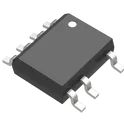
The BP2866C, manufactured by 晶丰明源半导体, is a high precision buck constant current LED driver designed for universal input offline LED lighting applications. Operating in critical conduction mode, this component is suitable for 85Vac~265Vac input and integrates a 500V power MOSFET. It features patented demagnetization detection technology and high-voltage JFET power supply technology, eliminating the need for a VCC capacitor and starting resistors, thereby minimizing system cost and size. The BP2866C offers precise output current and excellent line regulation through a patent-pending current control method. It includes robust protection functions such as LED short circuit protection, VCC under voltage protection, and thermal regulation. Available in a SOP7 package, it ensures a +5% LED output current accuracy and is ideal for applications like LED candle lights and bulbs.
1 Uses0 Stars