Connectors
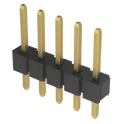
A connector is a device that is used to join two or more electrical or mechanical components. Connectors are an essential part of many electronic and mechanical systems, as they allow for the easy transfer of electricity, data, or other signals between different devices or components. There are many different types of connectors, each designed for specific use cases. Some common use cases for connectors include: * Connecting electronic components in circuit boards * Connecting electrical devices to power sources * Connecting mechanical components in machines and devices * Connecting data cables for networking and communication * Connecting audio and video components in home theater systems Flux.ai has the world's largest community-driven public library of connectors, with footprints, symbols, datasheets, and simulation models. This library is a valuable resource for engineers and designers who need to find and use connectors in their projects.
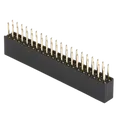
2.54-2*20
Female Headers CONN SOCKET 40POS 2.54mm DUAL ROW TH This connector consists of 40 pins total (2 rows × 20 pins) spaced at 2.54 mm pitch. It is widely used in PCB interconnections, embedded systems, Raspberry Pi-style GPIO headers, Arduino expansion boards, and general prototyping applications. It mates with standard female headers or jumper wires. Key Features Pin configuration: 2×20 (40 pins total) Pitch: 2.54 mm (0.1 inch standard) Mounting type: Through-hole (THT) Orientation options: Vertical or right-angle variants Contact material: Typically brass or phosphor bronze Plating: Tin or gold-plated options for improved conductivity Current rating: Commonly 1A–3A per pin (depends on manufacturer) Voltage rating: Typically up to 250V AC/DC (application-dependent) Compatibility: Standard 2.54 mm female headers and jumper cables Use cases: Development boards, GPIO expansion, debugging interfaces, mezzanine connections #CommonPartsLibrary #Connector
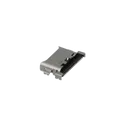
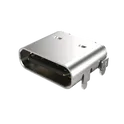
257 Uses1 StarsUSB4105-GF-A
USB-C (USB TYPE-C) USB 2.0 Receptacle Connector 24 (16+8 Dummy) Position Surface Mount, Right Angle; Through Hole The USB4105-GF-A is a USB Type-C receptacle connector designed for USB 2.0 applications, commonly used in embedded systems, IoT devices, and consumer electronics. It features a 24-position (16 active + 8 dummy) contact design that supports reversible plug orientation, making it user-friendly and compliant with USB Type-C standards. This connector is a right-angle, surface-mount (SMT) device with through-hole retention tabs, providing both compact PCB integration and strong mechanical stability. Key Features USB Type-C Interface Reversible plug orientation (no wrong insertion) Standard USB Type-C receptacle Supports USB 2.0 signaling Contact Configuration 24 pins total (16 active + 8 dummy pins) Includes: Power (VBUS) Ground (GND) USB 2.0 data (D+, D−) Configuration channel (CC) Electrical Capability Supports multiple current levels (up to 5A depending on design) Rated voltage up to 48V DC Mechanical Design Right-angle (horizontal) mounting Surface-mount + through-hole hybrid Includes: Board guide Solder retention tabs (strong anchoring) Durability & Materials Shielded metal shell (EMI protection) Contact finish: Gold plating Housing: UL94 V-0 flame rated Mating cycles: ~20,000 insertions Environmental Specs Operating temperature: -40°C to +85°C RoHS compliant (lead-free) Typical Applications Microcontroller boards (ESP32, Arduino, etc.) Charging + data interface for embedded devices Power + USB communication ports Consumer electronics (gadgets, accessories) #CommonPartsLibrary #Connector #USB #DVI #USB4105 #USB-C
2.4k Uses1 Stars